Welcome back to our cogbites interview series, where we interview cognitive scientists by asking them a few questions about their interests in science and what keeps them engaged both in and out of the lab.
As a reminder, you can learn a little about our own team of contributors by reading their bios (either on our author page or at the bottom of each post), but this is a chance to get to know some early-career scientists even better. Last time, we got to know Beth Hosek, a fourth-year PhD student in Educational Psychology and Research Methods at George Mason University.
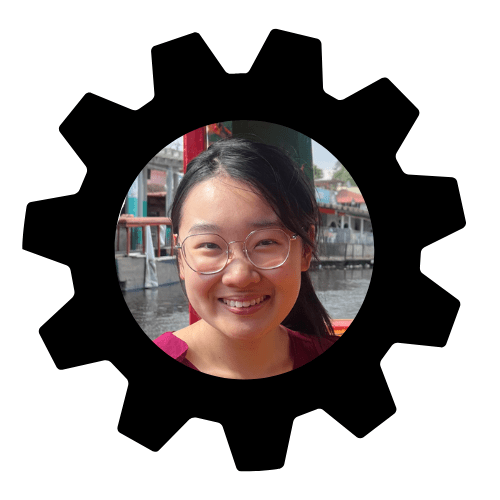
This week’s interview is with Jean Luo, a fourth-year Ph.D. candidate in Social Psychology at the University of Southern California (USC). She works under the mentorship of Dr. Leor Hackel and anticipates finishing her program in the next one to two years.
Jean’s research explores how people learn from rewards—both about themselves and others—and how these learning processes influence social connection. She recently contributed a blog post to Cogbites about a fascinating topic: how people fake listening in conversations. Keep an eye out for more engaging science writing from her in the future!
Without further ado, here’s our interview with Jean:
Why did you decide to pursue cognitive science?

It all started in high school when I read Incognito: The Secret Lives of the Brain by David Eagleman. I was captivated by the idea that our brains do so much outside of conscious awareness. That curiosity led me to major in neuroscience during college. Over time, though, I realized I was more interested in the “why” behind people’s behavior and its societal impact than in the micro-level brain mechanisms. That led me to pivot toward social psychology, where I could ask big questions about human behavior—while still using tools like neuroimaging to help answer them.
What are you currently working on?

Right now, I’m working on a few projects around reward learning. One project looks at how people learn from rewards about their own abilities, and another explores how people decide who to interact with based on reward information. For my dissertation, I’m particularly focused on how stereotypes might influence generalization—for instance, whether positive experiences with one professor extend to others, and how that might vary by gender or social role.
I’m also running a study that brings pairs of strangers into the lab to have conversations. We record video and neural data to examine how people track each other’s interest during a conversation—what behavioral cues they pick up on, and what neural processes might be at play.
What’s the most important concept in cognitive science?
One concept that’s especially meaningful to me is Affect as Information Theory. It’s the idea that people often use their feelings as information when making decisions—even when those decisions are unrelated to the emotion itself. For example, people tend to rate their overall life satisfaction higher when they’re in a good mood. I find it fascinating how driven we are by our emotions, and how often we construct reasons for our feelings even when we don’t fully understand them.
What sparked your interest in science communication?
To me, science communication is the perfect blend of two things I love—science and art. Sharing my research findings through writing or speaking has always been one of my favorite parts of the process. At the same time, I’m very aware of the gap between academic research and public understanding. It can be frustrating to think that important insights might not reach the people they’re meant to help. Communicating science effectively is hard, but it’s essential—and who better to do it than scientists who deeply understand their work?

Is there anything else you want us to know about you?
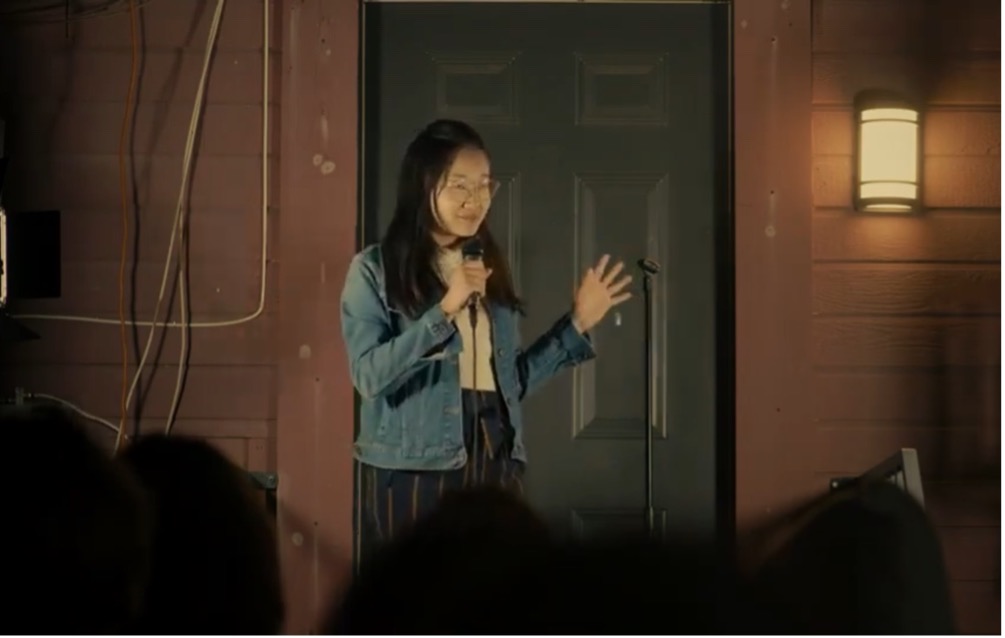
I have a lot of creative hobbies—graphic design, drawing, writing stand-up comedy, you name it. I love exploring new interests and picking up new skills, even if I don’t have time to fully master them all. I guess you could say I’m a generalist at heart. But I’m also learning to focus on fewer things that really matter to me—time is limited, after all.
Outside of the lab, I love hanging out with friends, meeting new people, and building community. I’m in my second year on USC’s grad student board, where I help plan social events for our department.
 cogbites
[…] this is a chance to get to know some early-career scientists even better. Last time, we got to know Jean Luo, a fourth-year Ph.D. candidate in Social Psychology at the University of Southern […]
LikeLike